|
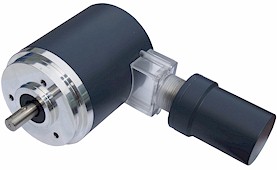
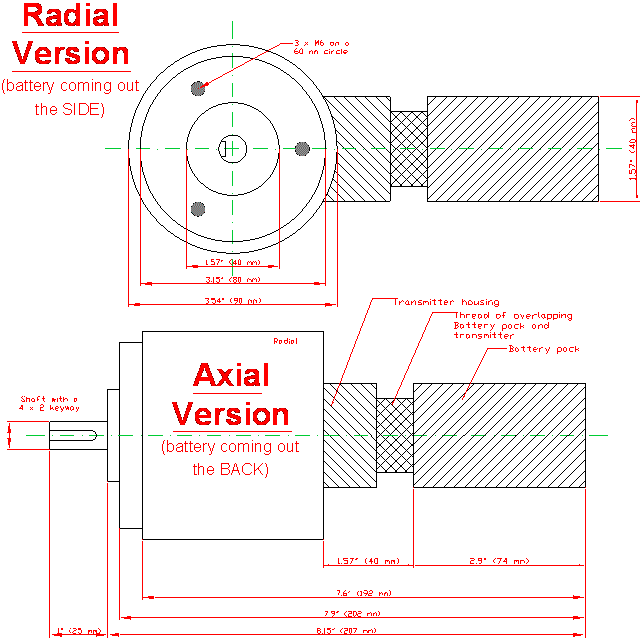
Encoder: |
|
| Operating Temp: |
-20C to +60C |
| Housing Material: |
Aluminum |
| Shaft Material: |
St. Steel |
| IP rating: |
IP65 |
| Shaft load: |
Supports 'system' weight |
| Humidity: |
98% permissible |
| Shock: |
10mg (6msec) |
| Vibration: |
5g (500Hz) |
| Shaft Speed: |
3000 rpm or 2.5kHz
(electrics) |
|
Transmitter: |
|
| Operating Temp: |
-20C to +60C |
| Housing Material: |
Plastic |
| IP rating: |
IP66 |
| Peak RF: |
0 dBm, 1mW |
| WiFi Frequency: |
2.4 GHz |
| Data Rate: |
250 kbs |
|
Battery Pack: |
|
| Operating Temp: |
-20C to +60C |
| Housing Material: |
Stainless Steel |
| IP rating: |
IP66 |
| Humidity: |
98% permissible |
| Type: |
Lithium Thyonide
Chloride |
| Life Time: |
Max 1.5 years, 19,000 mAhrs |
| |
1 data transmission per
20 s |
|
|
|
Receiver Module: |
| - Click above for a full
description of the outputs that can be generated from the receiver
module. |
| - The default output
protocol is RS232, which can be read and viewed with the Hyper
Terminal in windows and also with the most common data acquisition
software packages such as Labview, Daisy, WonderWare, WinWedge and
Excel. |
| - Other outputs can be
DeviceNet, ModBus, 4...20 mA |
|
Function: |
| The 7 or 10 bit position
from the encoder is transmitted to a distant module. As
standard, the module is updated every two seconds in order for the
system to have a lifetime of 5 years. |
|
Identity: |
| Each encoder has a
unique identity number in case multiple sensors are purchased.
The ID numbers can be customer specified. As default, they be
the serial number of the device, this way, there will never be
conflicting identities on a system. |
|